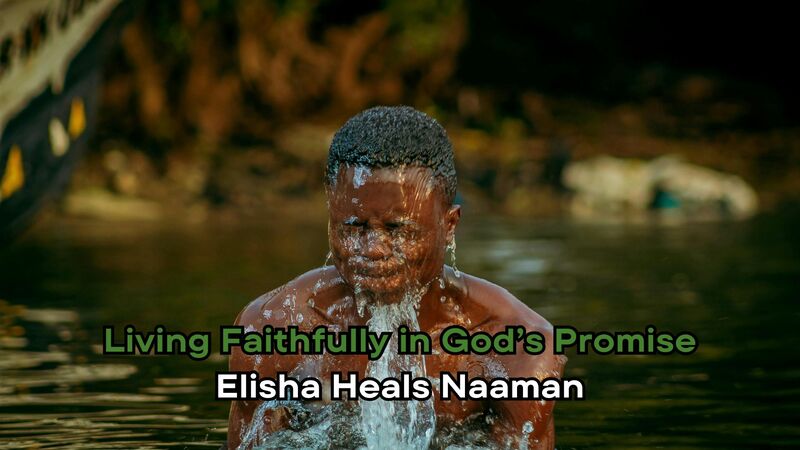
This week’s sermon explored the prophet Elisha as an alternative to political power, emphasizing healing found in the land rather than proximity to kingship. Through the story of Naaman’s healing by bathing in the Jordan River—a counterintuitive act that defies empire’s wisdom—we’re invited to seek wholeness where capitalism and dominance often dismiss it: in marginalized voices, ancient traditions, and the quiet wisdom of nature. The sermon bridges biblical narrative with modern practices of co-regulation, urging listeners to engage with the land and its caretakers as sacred partners in restoration.
Three Reflection Questions for the Week:
- Where do you find yourself resisting or dismissing wisdom that comes from outside your usual circles—whether that’s marginalized communities, local ecologies, or even past generations? How might humbling yourself to their knowledge lead to healing?
- Naaman’s healing required him to leave his empire’s comforts and trust a stranger (Elisha) over his own resources. What “dirty work” or unpopular act would it take for you to follow this example of radical vulnerability?
- The sermon connected Elisha’s role with the land to modern practices like co-regulation—whether through nature, community, or intentional stillness. Where in your life could you create space (literally or metaphorically) to sit with silence and let the divine dance around you?